
Ducting
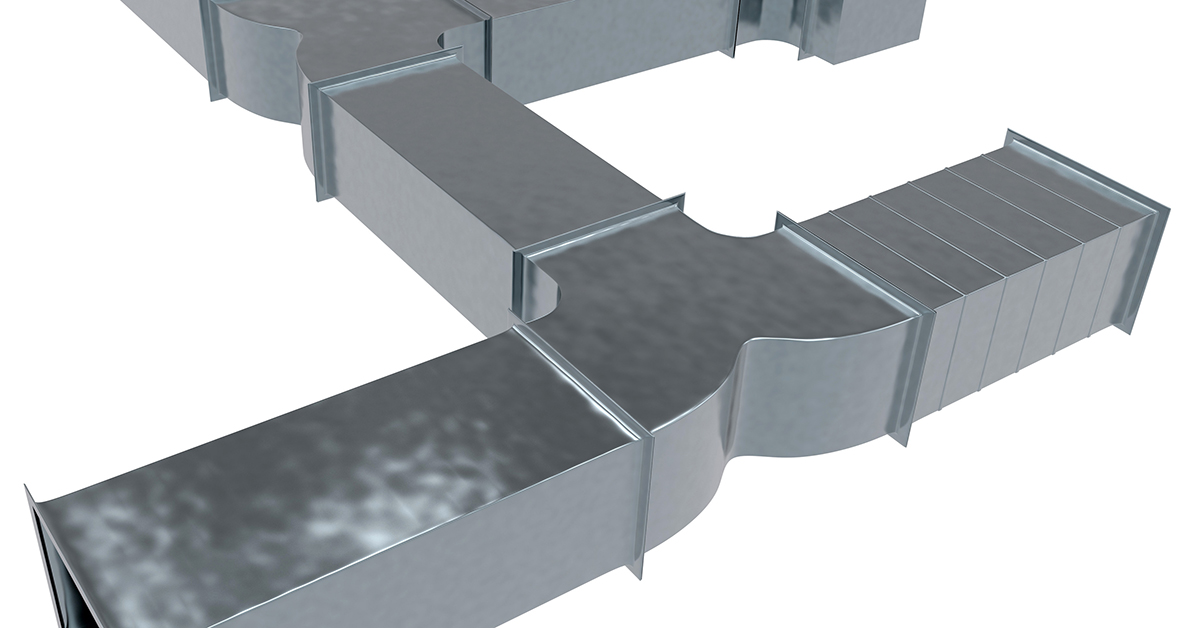
Rectangular ducting is a square or rectangular-shaped conduit system used to distribute air within HVAC (heating, ventilation, and air conditioning) networks. It is highly favored in construction for its flat profile, allowing it to fit flush against ceilings and walls to maximize overhead clearance and save architectural space.
Rectangular ducting is one of the most widely used air distribution systems in commercial, industrial, and residential HVAC engineering. Characterized by its four flat sides and rectangular cross-section, this ductwork style is custom-fabricated to meet specific airflow requirements while adapting to the physical constraints of a building's structure.
Key Advantages & Characteristics:
- Space Optimization: The primary benefit of rectangular ducts is their low profile. They can be fabricated to be wide and shallow, making them ideal for buildings with low ceilings or tight plenum spaces where round ducts would not fit.
- Installation Convenience: Because of their flat surfaces, these ducts easily align with walls, nestle into corners, and run neatly alongside structural concrete beams.